Featured Deals
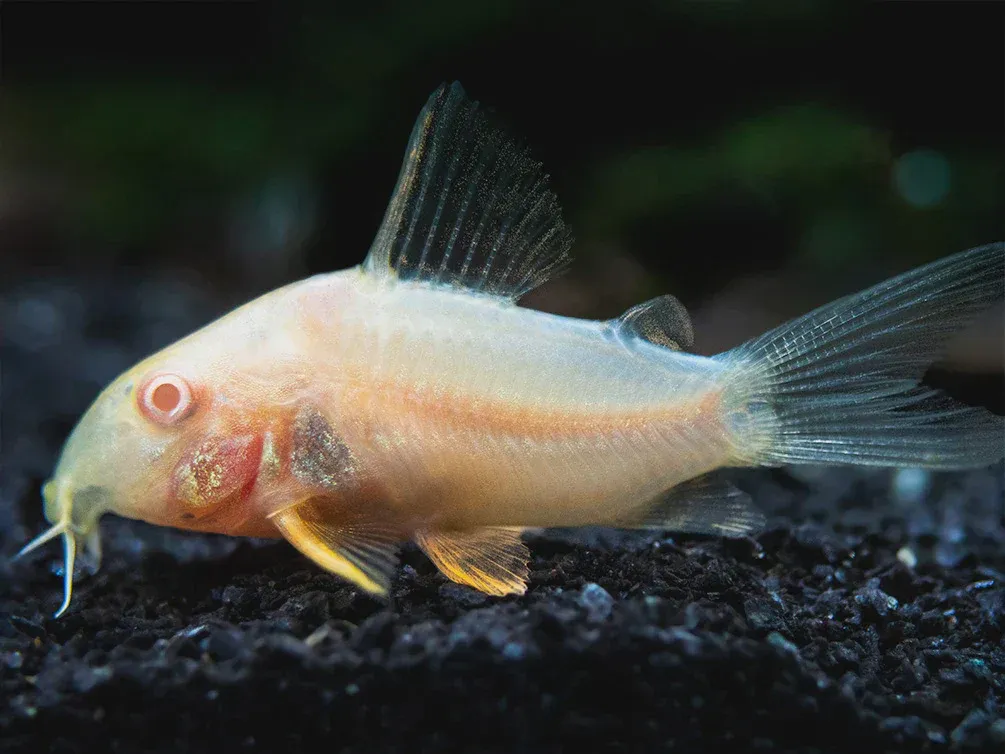
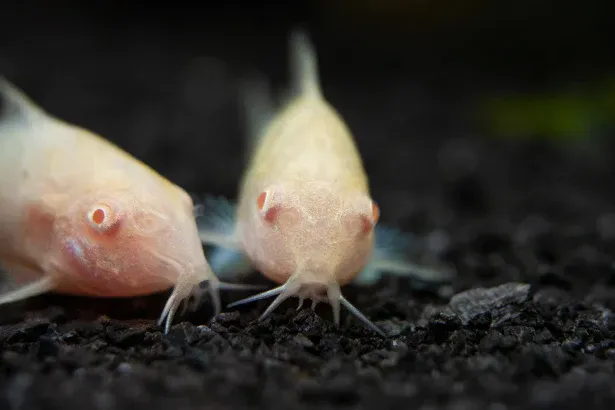
Albino Corydoras
-
+
General Information
Product Details
Product Description
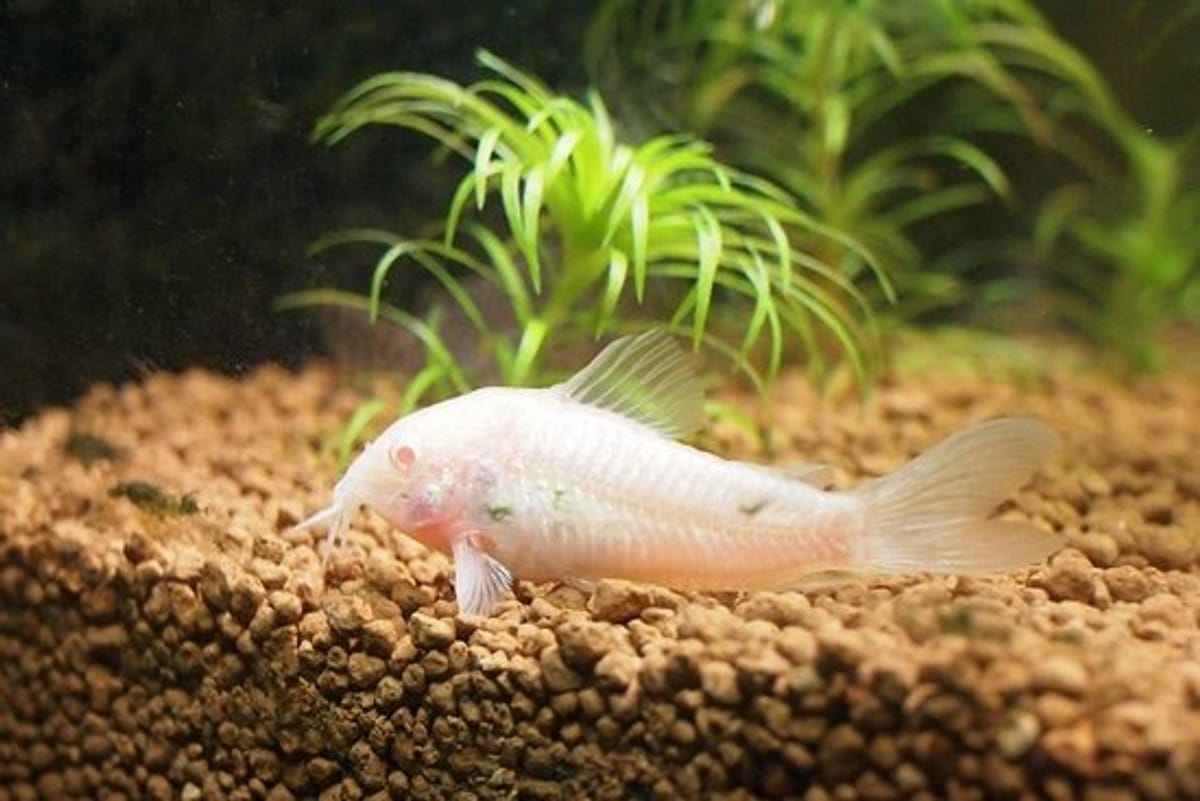
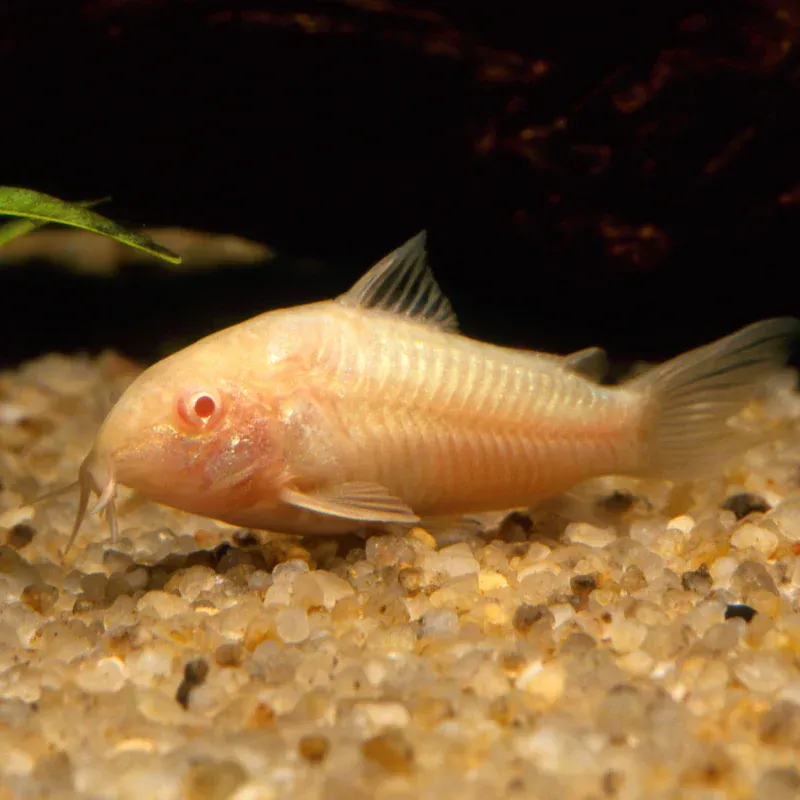
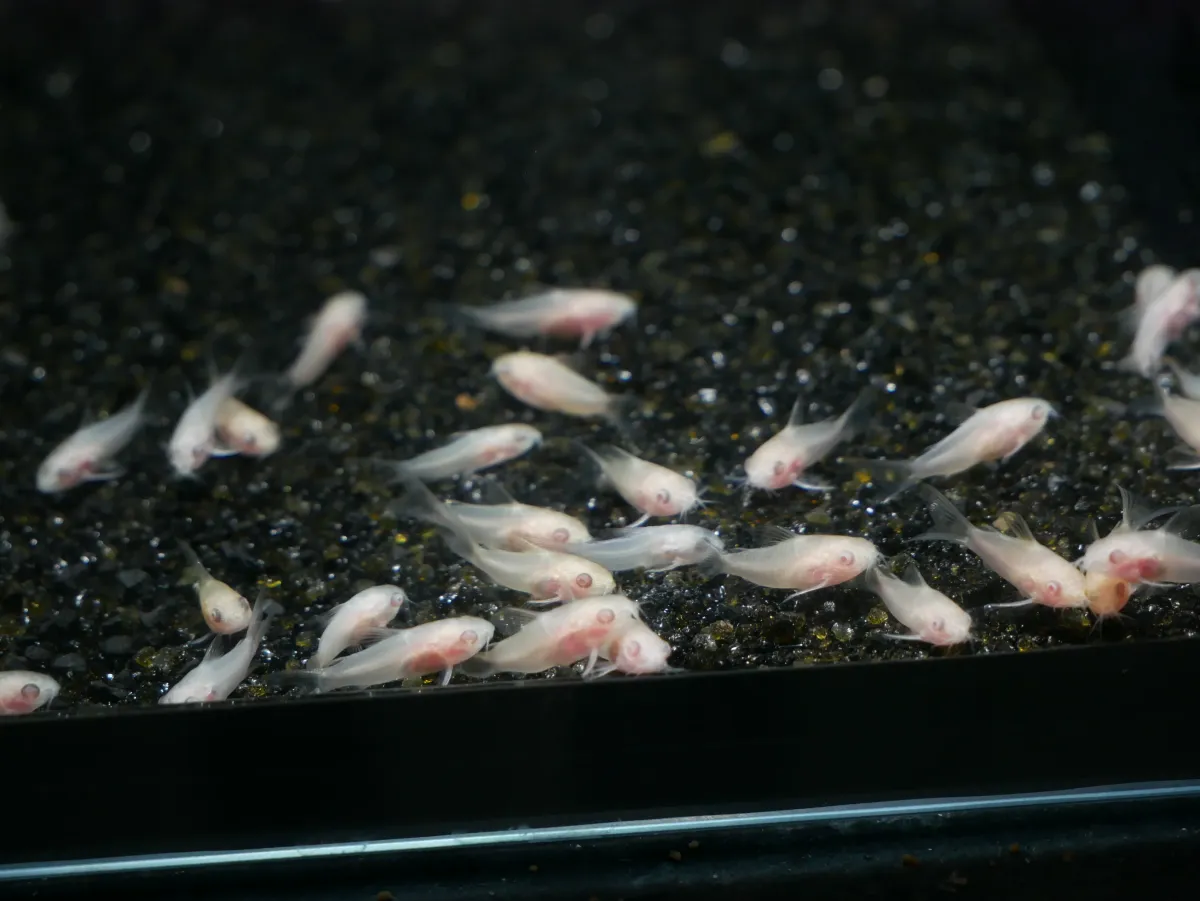
Albino Corydoras Care Guide: The Gentle Bottom-Dweller of Your Aquarium Welcome back to our Aquatic Wonders Blog! Today, we’re exploring the wonderful world of the Albino Corydoras (Corydoras aeneus)—a peaceful, charming, and essential cleanup crew member that adds personality and utility to any community tank. Whether you're new to fishkeeping or a seasoned aquarist, this guide will cover everything you need to know about keeping these golden-white scavengers happy and healthy. Why Choose Albino Corydoras? Albino Corydoras are a beloved staple in freshwater aquariums, and for excellent reasons: ✔ Peaceful & social—They thrive in groups and are perfect for community tanks. ✔ Excellent cleaners—They constantly forage, helping keep the substrate clean. ✔ Hardy & beginner-friendly—Forgiving of minor water parameter fluctuations. But first, let's clear up some common misconceptions: ❌ Myth: "One Cory is enough to clean the tank." ✅ Truth: They are shoaling fish and need a group of 6+ to feel secure and exhibit natural behaviors. ❌ Myth: "They can live on leftover food and algae alone." ✅ Truth: They require a dedicated, high-quality diet to thrive. Now, let's dive into their full care guide! 1. Natural Habitat: Where Do Corydoras Come From? Albino Corydoras are a color variant of the Bronze Corydoras, originating from South America, where they inhabit: Slow-moving rivers, streams, and tributaries Soft, slightly acidic to neutral water (though albinos are often more adaptable) Sandy or fine-gravel bottoms, with leaf litter and driftwood Why does this matter? Replicating a soft, smooth substrate in your tank is crucial to protect their delicate barbels (whiskers) from damage and infection. 2. Ideal Tank Setup for Albino Corydoras ✅ Tank Size & Water Conditions Factor Ideal Range Why It Matters Tank Size 20+ gallons (for a group) They need space to forage as a group. Temperature 72–79°F (22–26°C) A stable, tropical community temperature. pH Level 6.5 – 7.8 (Neutral is ideal) Albino variants are quite adaptable. Lighting Moderate to Low They appreciate some shaded areas. 🌿 Tank Decor & Substrate Substrate: Fine, smooth sand is best. Rough gravel can wear down their barbels. Plants & Decor: Java fern, Anubias, driftwood, and smooth rocks. Provides hiding spots and breaks lines of sight. Open Space: Ensure some open sandy areas for them to forage. Pro Tip: 💧 Use a gentle filter current. They do not appreciate strong, turbulent water flow. 3. Feeding Your Albino Corydoras Corydoras are bottom-feeding omnivores and need food that sinks. 🍽️ Best Foods for Corydoras Staple Diet: High-quality sinking pellets or wafers designed for bottom feeders. Protein Treats: Frozen or live bloodworms, brine shrimp, daphnia. Cleanup Duty: They will scavenge, but do not rely on leftovers as their primary food. Frequency: Feed once a day, just before lights out, or in small amounts they can finish within a few hours. Myth Buster: ❌ "They only eat algae and waste!" ✅ Truth: They are active scavengers but require dedicated, nutritious feeding to stay healthy. 4. Tank Mates: Who Can Live With Corydoras? Albino Corydoras are one of the most peaceful fish imaginable. Excellent tank mates include: ✔ Small Tetras (Neons, Embers, Rummynose) ✔ Livebearers (Guppies, Platies, Swordtails) ✔ Rasboras, Danios ✔ Dwarf Gouramis, Bettas (in appropriate setups) ✔ Other peaceful Cory species (keep them in their own species groups) Avoid: ❌ Large, aggressive, or boisterous fish (e.g., large Cichlids, some Barbs). ❌ Keeping them alone or in pairs—always keep in groups of 6 or more. 5. Breeding Albino Corydoras (A Rewarding Challenge) While not as prolific as livebearers, they can be bred in home aquariums with some care. 🔹 Breeding Tips ✔ Perform a large, cool water change (mimicking rainy season). ✔ Feed high-protein live/frozen foods to condition them. ✔ They lay adhesive eggs on glass, plants, or decor. Adults may eat eggs/fry, so move eggs or parents to a separate tank. Fun Fact: 🔍 Corydoras are known for their "T-position" mating ritual, where the male fertilizes eggs held by the female's pelvic fins! 6. Common Health Issues & Prevention Barbel Erosion Short, missing, or infected whiskers Treatment: Improve water quality, switch to sand substrate. Ich (White Spots) White speckles, scratching on substrate Treatment: Raise temp gradually to 82°F + medication safe for scaleless fish. Bacterial Infections Red streaks, lethargy, loss of appetite Treatment: Clean water & antibacterial medication. Prevention Tips: 🔹 Pristine water is key! Perform regular weekly water changes (25-30%). 🔹 Use a soft sand substrate to protect their sensitive barbels. 🔹 Quarantine new fish to prevent introducing diseases. 7. Debunking Corydoras Myths ❌ "They are just cleanup fish." ✅ Truth: They are charismatic, social pets with specific care needs beyond scavenging. ❌ "They have scales, so all medications are safe." ✅ Truth: They are scaleless fish (have bony plates). Use half doses of medications containing copper or formalin, or choose scaleless-safe options. ❌ "They can live in small tanks." ✅ Truth: A proper shoal needs a 20-gallon long (or larger) aquarium to thrive. Final Thoughts: Are Albino Corydoras Right for You? If you want: ✔ A peaceful, schooling fish with adorable behavior ✔ An active and helpful bottom-dweller ✔ A hardy fish that adds life to the lower levels of your tank …then a shoal of Albino Corydoras is the perfect choice for you!
Other Images
No Reviews added. Be the first one.